Introduction In recent years, Kratom has evolved from a relatively obscure herbal supplement into a mainstream wellness product. As we step further into 2025, the use of Kratom continues to gain momentum globally. Once primarily known within Southeast Asian communities, Kratom has now become a subject of significant interest among wellness advocates, researchers, and the general public. This article delves into the reasons behind Kratom’s growing popularity in 2025, exploring its traditional roots, emerging scientific validation, shifting public perceptions, and the evolving regulatory landscape.
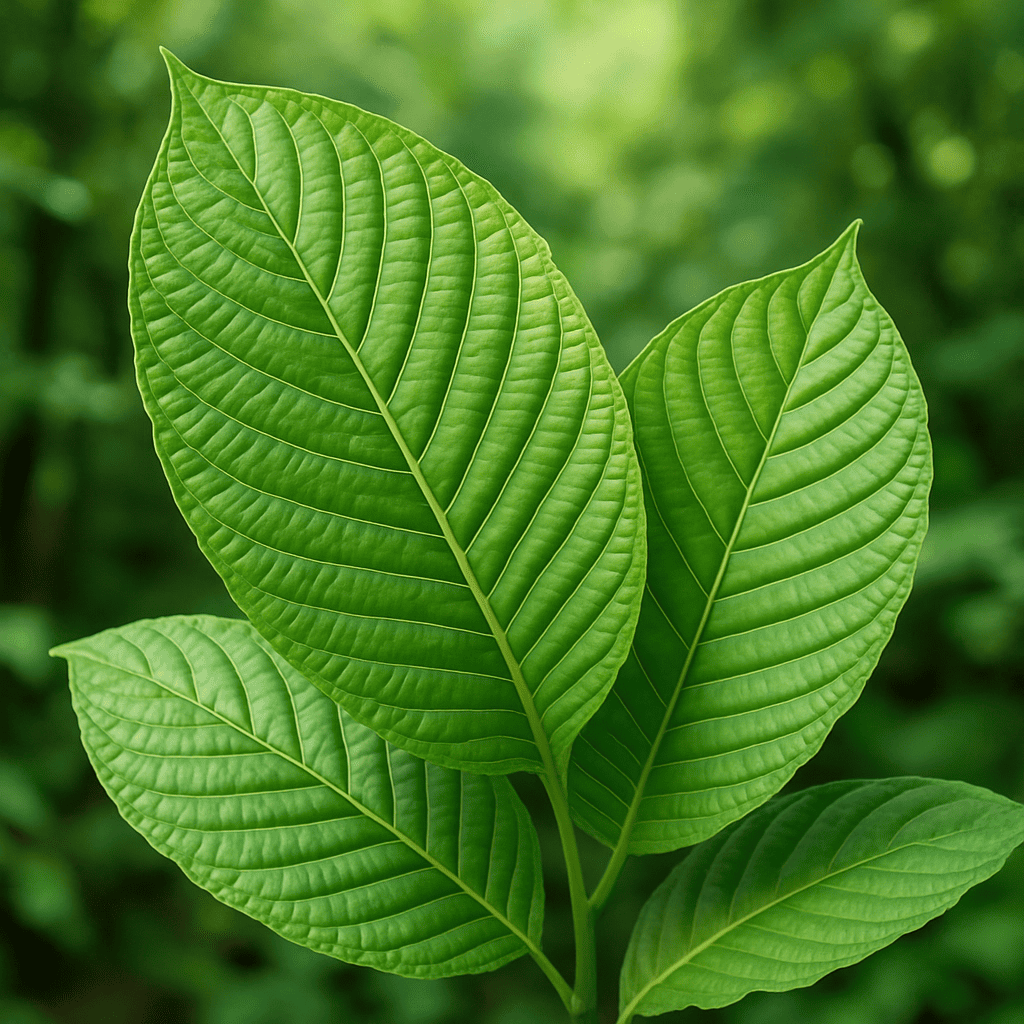
A Brief History of Kratom Kratom (Mitragyna speciosa) is a tropical evergreen tree native to Southeast Asia, particularly in countries like Thailand, Indonesia, Malaysia, and Myanmar. For centuries, indigenous communities have used its leaves as a natural remedy for fatigue, pain relief, and mood enhancement. Traditionally, Kratom leaves were chewed or brewed into tea by manual laborers to combat exhaustion and improve productivity. The alkaloids in Kratom, particularly mitragynine and 7-hydroxymitragynine, are responsible for its psychoactive and therapeutic effects.
The Surge of Interest in Natural Wellness Alternatives One of the key drivers of Kratom’s popularity in 2025 is the global shift toward natural and holistic health solutions. With growing skepticism around synthetic pharmaceuticals and their side effects, many consumers are seeking plant-based alternatives to manage pain, anxiety, depression, and even substance withdrawal. Kratom has become a focal point in this movement. Its ability to offer both stimulating and sedative effects depending on dosage makes it a versatile option for a wide array of needs.
Increased Research and Scientific Backing In 2025, there is more research available on Kratom than ever before. Major universities and independent researchers have started to explore Kratom’s pharmacological properties and potential therapeutic applications. Although much remains to be discovered, preliminary studies have indicated that Kratom may be effective for pain management, mood stabilization, and as an aid in opioid withdrawal. These findings have bolstered confidence among users and influenced healthcare professionals to take a more open-minded view of Kratom’s utility.
The Opioid Epidemic and Kratom’s Role The ongoing opioid crisis, particularly in the United States and parts of Europe, has left a profound impact on public health. Many individuals struggling with opioid dependency have turned to Kratom as a safer, non-prescription alternative for managing withdrawal symptoms and reducing cravings. In 2025, this trend has grown even stronger, with numerous anecdotal success stories circulating through online communities and support groups. Some addiction recovery centers have even begun integrating Kratom into their harm reduction programs under professional supervision.
A Growing Online Community and Marketplace Digital platforms have played a crucial role in the dissemination of Kratom-related information. Social media, online forums, and dedicated wellness blogs have created a vibrant community of users sharing experiences, reviews, dosage recommendations, and product sources. In 2025, e-commerce platforms specializing in botanicals have flourished, offering high-quality Kratom products with lab testing, transparent sourcing, and a variety of strains. This accessibility and community engagement have made Kratom more approachable to newcomers.
Increased Product Variety and Innovation The Kratom market in 2025 has expanded beyond the basic powdered leaf. Innovations in product formulation have led to capsules, tinctures, extracts, gummies, and even beverages infused with Kratom. These new formats cater to different consumer preferences and provide more convenient dosing options. Manufacturers are also investing in better packaging, clearer labeling, and improved quality control measures, further enhancing the credibility of Kratom as a legitimate supplement.
Changing Regulatory Landscape While Kratom’s legal status has historically been contentious, there has been notable progress in 2025. Countries and states that previously banned Kratom are reconsidering their positions in light of new research and growing public support. In the United States, for example, several states have introduced regulatory frameworks instead of outright bans, focusing on consumer safety, product quality, and responsible usage. This shift toward regulation rather than prohibition has encouraged more people to try Kratom without fear of legal consequences.
Endorsements by Influencers and Wellness Advocates Another factor contributing to Kratom’s rising popularity is the endorsement from wellness influencers, fitness trainers, biohackers, and alternative medicine practitioners. These figures often reach large audiences and have helped normalize Kratom use among health-conscious individuals. In 2025, it’s not uncommon to see Kratom featured in podcasts, YouTube videos, and social media posts discussing productivity, mental clarity, and recovery.
A Personalized Approach to Health Modern consumers are increasingly interested in personalized healthcare solutions. Kratom fits well into this paradigm, as its effects can vary based on strain, dosage, and individual biochemistry. This allows users to tailor their Kratom experience to specific needs — whether it’s increasing focus during the workday, alleviating chronic pain, or unwinding after a stressful day. The ability to fine-tune results has contributed to Kratom’s appeal as a multifunctional wellness tool.
Public Perception and Destigmatization In the past, Kratom faced significant stigma due to misconceptions and lack of education. However, in 2025, the narrative around Kratom is changing. As more people share their positive experiences and as accurate information becomes more widely available, public perception is gradually shifting from skepticism to acceptance. This shift is evident not only among consumers but also within parts of the medical community and media outlets.
Responsible Use and Consumer Education With increased popularity comes a responsibility to educate consumers about safe and responsible Kratom use. Reputable vendors and community leaders have taken this role seriously in 2025. Many now provide detailed usage guides, highlight potential side effects, and emphasize the importance of starting with low doses. This educational push helps ensure that Kratom is used effectively and safely, reducing the risk of misuse and promoting long-term acceptance.
Conclusion: A Promising Future for Kratom The growing popularity of Kratom in 2025 reflects a broader trend toward natural, individualized wellness solutions. With increasing scientific validation, expanding product options, and more favorable regulatory environments, Kratom is poised to become a staple in the health and wellness industry. While challenges remain, including the need for further research and standardized regulation, the current trajectory suggests a bright and promising future for Kratom and its users worldwide.
As more people discover the potential benefits of Kratom, it becomes essential to continue fostering responsible usage, transparency, and open dialogue. In doing so, Kratom can not only maintain its upward momentum but also solidify its place as a valuable tool in the pursuit of holistic well-being.